Forest Gate end of tenancy cleaning what Newham Council requires
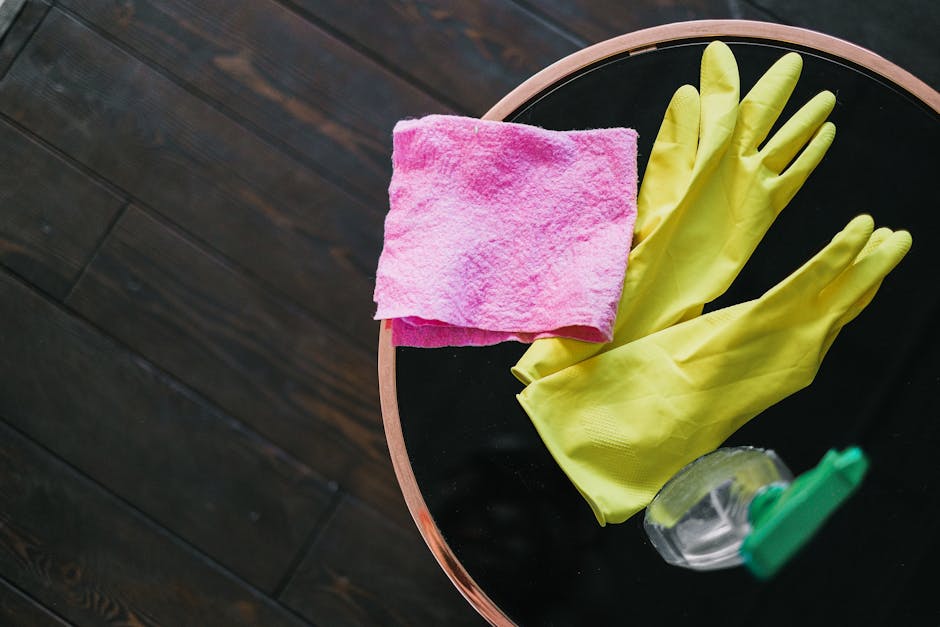
If you are moving out in Forest Gate, the last thing you want is a messy handover, a stressed landlord, or a deposit dispute that starts over something as small as a dusty skirting board. The phrase Forest Gate end of tenancy cleaning what Newham Council requires usually means one thing in practice: making sure the property is left clean, safe, and presentable enough to meet the expectations tied to the tenancy, local housing standards, and any check-out inventory. Not glamorous, admittedly. But very important.
People often assume the council sets a single, rigid end-of-tenancy cleaning checklist. That is usually not how it works. In reality, the standard is a mix of tenancy agreement terms, general property condition expectations, health and safety basics, and common-sense cleanliness. This guide breaks it down clearly, so you know what matters, what does not, and how to avoid last-minute panic on moving day.
Whether you are a tenant, landlord, letting agent, or someone helping family move, you will find a practical route through the process here. And yes, there is a checklist near the end, because everyone needs one when boxes are everywhere and the kettle has already been packed.
Why Forest Gate end of tenancy cleaning what Newham Council requires Matters
End of tenancy cleaning is not just about making a place look nice for the next person. It is about meeting the standard expected at check-out. In Forest Gate, that matters even more because rented homes can see a lot of wear: busy family properties, shared flats, older terraces, and high-traffic rooms all leave a mark. You notice it most around the edges, literally. Dust along skirting, grease on extractor fans, limescale on taps, grimy switches, the little things that somehow become big things at the deposit stage.
For many tenants, the key issue is proof. If the inventory clerk or landlord thinks the home was not cleaned properly, the discussion shifts quickly from "all good" to "who pays for this?". That is where a thorough cleaning routine helps. It is not about overdoing it; it is about leaving the home in the same level of cleanliness it had at the start, allowing for fair wear and tear.
For landlords and agents, a proper clean reduces turnaround delays and helps the next move-in go smoothly. No one wants a flat sitting empty because a fridge smells odd or a bathroom has soap scum that could have been removed in an hour. To be fair, these are exactly the kinds of issues that create frustration later, when they would have been easy to prevent earlier.
Newham Council is relevant because local housing expectations sit inside a wider framework of habitability, safety, nuisance prevention, and responsible tenancy management. The council may not issue a one-size-fits-all checklist for every end-of-tenancy clean, but properties must still be left in a condition that supports safe, decent living standards. That is the real practical takeaway.
Expert summary: The safest approach is to clean to check-out standard, follow the tenancy agreement, respect the inventory report, and treat kitchens, bathrooms, floors, and soft furnishings as priority areas. If something has a stain, odour, or build-up, deal with it before keys are handed back.
How Forest Gate end of tenancy cleaning what Newham Council requires Works
In simple terms, end of tenancy cleaning is a deep, room-by-room reset of the property. It is more detailed than weekly cleaning and more targeted than a one-off tidy. The purpose is to remove dirt, grease, dust, and lingering signs of occupation so the property is ready for inspection or re-letting.
A typical process starts with the most obvious high-use zones: kitchen, bathroom, floors, and touchpoints. Then it moves into the less visible areas, such as inside cupboards, behind appliances, around radiators, and along window frames. The difference between a surface clean and a proper end-of-tenancy clean is usually those overlooked places. You can have sparkling worktops and still fail on the grubby shelf behind the toaster. Annoying, yes. Common, absolutely.
For a full service, a cleaner may also handle carpets, upholstery, curtains, mattresses, or stain removal where these items are part of the tenancy condition. That is why many households combine general cleaning with specialist services like carpet cleaning, upholstery cleaning, or mattress cleaning when the property needs a proper reset, not just a once-over.
What Newham Council expects, in practice, is not perfection. It is reasonable cleanliness, safe presentation, and no avoidable mess that could be seen as neglect. If the property has been left with food residue, mould on seals, pet odours, or heavy stains, those are the kinds of things that need attention before handover.
Key Benefits and Practical Advantages
There is a temptation to think of end-of-tenancy cleaning as one more expense in an already expensive move. Fair enough. But when it is done properly, it often saves time, stress, and arguments later. That alone can make it worthwhile.
- Lower risk of deposit deductions: A clean property supports your case if there is a disagreement about condition.
- Smoother inventory checks: Clean rooms are easier to assess, which can speed up sign-off.
- Better first impression: A spotless kitchen or bathroom helps landlords and agents view the property positively.
- Less last-minute stress: A planned clean is far better than panicking with a bin bag and a sponge at 10 p.m.
- Better hygiene: Removing grease, dust, and odours improves the immediate feel of the space.
- Improved re-let readiness: For landlords, a clean property can reduce void time between tenancies.
There is also a practical safety benefit. Hidden dirt can mask bigger issues such as damp, broken seals, or damage under appliances. Once the grime is gone, problems are easier to spot. That matters if you need to fix something before the next tenant arrives.
And let us not pretend people do not judge by smell. They do. Fresh air, clean surfaces, and no lingering pet odour or stale cooking smell make a huge difference the moment the door opens.
For homes with more difficult cleaning needs, specialist work can help. If you have stubborn marks on carpets or a sofa that has seen one too many takeaway nights, services such as steam carpet cleaning, stain removal, or pet stain odour removal can make the difference between "acceptable" and "properly handed back".
Who This Is For and When It Makes Sense
End of tenancy cleaning is for anyone who needs to hand over a property in Forest Gate without awkward follow-up. That includes tenants in private rentals, shared houses, student lets, furnished flats, and managed properties. It also includes landlords who want to prepare a home for the next occupant, and letting agents who need a reliable turnaround between tenancies.
It makes the most sense when:
- your tenancy agreement requires the property to be returned in a clean condition
- you have pets, children, or high-use rooms that show marks more quickly
- the inventory report shows the property was professionally cleaned at move-in
- you are short on time and cannot realistically deep-clean everything yourself
- the property has carpets, rugs, curtains, or upholstery that have absorbed everyday wear
If you have already started packing, you will know how cleaning gets harder, not easier, near moving day. The rooms get emptier, but somehow more awkward. Dust appears from nowhere. There is always a cupboard you forgot. Always.
For furnished properties, it may also make sense to look at soft furnishing services. A quick read through the company's sofa cleaning, curtain cleaning, or rug cleaning options can help you decide what needs specialist attention rather than general wiping and vacuuming.
Step-by-Step Guidance
Here is a practical way to approach the job without missing anything important. You do not need to make it fancy. You just need a method.
- Read the tenancy agreement and inventory. Start with the actual documents, not assumptions. If the property was professionally cleaned at move-in, the outgoing standard will usually be expected to match that condition reasonably closely.
- Declutter first. Remove all personal belongings, bins, food, toiletries, and loose items. Cleaning around clutter wastes time and misses corners.
- Work from top to bottom. Dust high shelves, light fittings, and tops of cupboards before cleaning lower surfaces and floors. Gravity is not your friend here.
- Deep-clean the kitchen. Focus on oven interiors, hob grease, extractor fans, splashbacks, fridge shelves, cupboard fronts, sink drains, and under appliances where accessible.
- Sort the bathroom carefully. Remove limescale, soap residue, mould spots, and grime around taps, seals, tiles, toilet bases, and shower screens.
- Clean bedrooms and living areas. Wipe skirting boards, sockets, doors, handles, window ledges, and built-in storage. Vacuum thoroughly, including edges and under furniture.
- Handle floors and textiles. Vacuum carpets, mop hard floors, and treat stains early. If a carpet has heavy marks, consider specialist help rather than scrubbing it harder and hoping for the best.
- Do a final inspection in daylight. Natural light shows dust and streaks better than a hallway bulb at midnight. It is a little brutal, but useful.
- Take photos. Keep clear records of the cleaned condition before handover. That can be very handy if questions come up later.
If you want one thing to remember, it is this: clean the areas people touch and the areas people forget. Those are often the same places that trigger disputes.
Expert Tips for Better Results
A few small choices can make a big difference. In our experience, people often focus too much on visible surfaces and not enough on the bits that quietly fail an inspection.
- Use the right product for the job. Stronger does not always mean better. Harsh chemicals can damage seals, finishes, or fabrics if used carelessly.
- Let products dwell properly. Grease and limescale do not vanish on command. Give cleaners time to work before wiping.
- Open windows while you clean. Fresh air helps with odours and dry times, especially in older Forest Gate properties where ventilation can be a bit patchy.
- Check behind and under appliances. It is not glamorous, but landlords notice it.
- Use lint-free cloths on glass and shiny surfaces. They reduce streaking and save you doing the same job twice.
- Book specialist cleaning early. If you need carpets or upholstery cleaned, do not leave it to the day before. Drying time matters.
A small, practical point: if you have pets, clean their favourite spots even if the room looks fine overall. Fur, smell, and fine dust tend to collect in the same quiet corners. It is never just the obvious patch.
Also, if you are comparing providers, have a look at how they present trust and service information. Pages like about us, insurance and safety, and health and safety policy can help you judge whether a company works in a careful, professional way. That matters when someone is cleaning inside your home.
Common Mistakes to Avoid
Most end-of-tenancy problems come from a few very ordinary mistakes. Nothing dramatic. Just missed details, poor timing, or assumptions that the next person will not notice. They will.
- Leaving the clean too late. Cleaning after packing is possible. Cleaning after moving out is where stress turns up.
- Forgetting appliances. Ovens, microwaves, fridge seals, washing machine drawers, and dishwashers are frequent trouble spots.
- Ignoring odours. A room can look clean and still fail the smell test.
- Not treating stains early. The longer a stain sits, the harder it becomes to remove cleanly.
- Skipping the inventory. If you do not know what the property looked like at move-in, you are guessing.
- Using the wrong equipment. A rough sponge on a delicate surface is a quick route to scratches, and then you have a new problem.
- Assuming "surface clean" is enough. It rarely is.
One more subtle mistake: people often forget light switches, door frames, and handles. These are tiny, but they tell a story. Smudges there can make a whole room feel less clean than it is. Strange, but true.
Tools, Resources and Recommendations
You do not need a van full of equipment, but the right basics will make life easier. For most homes, the following are enough:
- an all-purpose cleaner
- a degreaser for the kitchen
- a limescale remover for bathroom fixtures
- microfibre cloths
- a vacuum cleaner with attachments
- a mop and bucket for hard floors
- scrapers or sponges suitable for ovens and hobs
- gloves for hygiene and skin protection
For softer finishes and fabrics, specialist methods are usually better. Carpet fibres, upholstery, and mattresses can hold dust and odour in ways that ordinary cleaning cannot fully shift. That is where services like steam carpet cleaning or upholstery cleaning may be a smarter option than repeated DIY attempts.
When choosing a cleaning provider, look for clear pricing, practical explanations of what is included, and sensible policies around service and payments. You can review details such as pricing and quotes, payment and security, and terms and conditions before making a booking. That is just sensible due diligence.
For homes where sustainability matters, or where waste reduction is part of your moving plan, the company's recycling and sustainability information may also be useful. Not the first thing most people think about during a move, granted, but still worth checking.
Law, Compliance, Standards, or Best Practice
This is where a careful distinction matters. Newham Council is not typically setting a bespoke "end-of-tenancy clean" formula for every rental property. Instead, the practical standard comes from tenancy obligations, basic property condition expectations, and broader housing and safety responsibilities. If the home is left dirty enough to cause hygiene issues, pest problems, or avoidable damage, that can become a compliance concern rather than just a cleaning issue.
Best practice in the UK rental market usually means the property should be returned:
- clean and free from avoidable dirt
- safe to inspect and re-let
- free from offensive odours
- with appliances and fixtures wiped down and usable
- in line with the original inventory, allowing for fair wear and tear
For tenants, this means checking the tenancy agreement carefully and keeping evidence of the condition when you leave. For landlords and agents, it means being consistent and reasonable. If a property was already tired when the tenancy started, nobody should be pretending it needs showroom perfection now. Common sense still applies, thank goodness.
If you are unsure about what level of cleaning is expected, a practical approach is to compare the outgoing condition against the incoming inventory and then focus on anything that is visibly dirty, stained, sticky, dusty, or smelly. That is usually the safest benchmark.
Options, Methods, or Comparison Table
There is more than one way to handle end-of-tenancy cleaning. The right choice depends on time, budget, and how much work the property actually needs.
| Option | Best for | Pros | Watch-outs |
|---|---|---|---|
| DIY cleaning | Smaller, tidy homes with light dirt | Lower cash cost, flexible timing, full control | Time-consuming, easy to miss inspection details, tiring at moving stage |
| Partial specialist cleaning | Homes with problem areas like carpets, sofas, or mattresses | Targets the hardest jobs, improves results where it matters most | Still need to manage the rest of the property yourself |
| Full professional end of tenancy clean | Busy moves, furnished homes, or properties needing a full reset | Structured, thorough, faster turnaround | Higher upfront cost than DIY |
If the property has obvious carpet wear or stubborn stains, a mixed approach is often the most practical. Clean the whole home yourself, then bring in specialists for the worst hotspots. It is a sensible middle path, and honestly, sometimes the least stressful one.
Case Study or Real-World Example
Take a typical Forest Gate flat: two bedrooms, one living room, a small kitchen, and a bathroom. The tenant has lived there for just over two years, with a cat, a lot of tea, and a carpet that has seen more foot traffic than it deserved.
The first pass is straightforward: rubbish removed, surfaces wiped, cupboards emptied, and the bathroom cleaned. But once the natural light comes through in the morning, the details show up. A greasy extractor fan. Marks around the kitchen handles. A patch on the living-room carpet near the sofa. Light limescale on the shower screen. Nothing disastrous, but enough to make the flat look tired.
Instead of trying to scrub the carpet until it looked worse, the tenant booked specialist help for the flooring and soft furnishings while handling the rest of the property personally. The result was simple: the inventory check moved faster, the place felt fresher, and there was less back-and-forth over what counted as fair wear and tear. That sort of mixed approach often works well in real life.
What stands out in cases like this is not perfection. It is coordination. The people who plan early usually have the calmest move-out day. Funny how that works.
Practical Checklist
Use this checklist the day before handover, then walk through the property once more before you leave.
- All belongings removed from cupboards, drawers, loft spaces, and under beds
- Bins emptied and waste taken out
- Kitchen worktops, cupboard fronts, sink, taps, and splashbacks cleaned
- Oven, hob, extractor fan, fridge, and microwave cleaned
- Bathroom tiles, toilet, sink, shower, screen, and seals cleaned
- Skirting boards, doors, handles, switches, and frames wiped down
- Carpets vacuumed and any stains addressed
- Hard floors swept and mopped
- Windows, sills, and ledges cleaned where accessible
- Soft furnishings checked for dust, marks, and odours
- Final smell check completed with windows open
- Photos taken of each room after cleaning
Quick rule of thumb: if you can run a hand across it and come away with dust, grease, or residue, it is not done yet.
If you need more help with the specialist side of the job, it can be useful to look at dedicated services such as stain removal or mattress cleaning, especially in furnished rentals where hidden build-up is common.
Conclusion
Forest Gate end of tenancy cleaning what Newham Council requires is best understood as a practical standard rather than a mysterious rulebook. Leave the home clean, safe, fresh, and reasonably close to the condition expected by your tenancy agreement and inventory. Focus on the areas that cause disputes: kitchens, bathrooms, carpets, odours, and overlooked surfaces.
Do that well, and the whole move becomes easier. The handover feels less tense. The property looks cared for. And you get to leave with one less thing hanging over you, which is a nice feeling at the end of a long move. A very nice feeling, actually.
If you are short on time or dealing with tough carpet, upholstery, or stain issues, getting professional help can be the difference between a stressful exit and a tidy one. Sometimes that is worth every bit of effort.
Get a free quote today and see how much you can save.
Frequently Asked Questions
Does Newham Council provide a specific end of tenancy cleaning checklist?
Usually not as a single universal checklist for every rental. In practice, the standard comes from your tenancy agreement, the inventory, and the general expectation that the property is left clean, safe, and ready for the next tenant.
What areas matter most in an end of tenancy clean?
The kitchen and bathroom matter most because they show dirt quickly and are often checked carefully. Carpets, floors, skirting boards, switches, and odour control also matter a lot. The small stuff adds up.
Do I need professional cleaning to get my deposit back?
Not always. If the property is in good condition and you clean it properly yourself, that may be enough. But if there are heavy stains, pet odours, or a tight turnaround, professional help can reduce risk.
Should I clean carpets separately from the rest of the property?
Yes, if the carpets are stained, heavily used, or part of a furnished tenancy. Specialist carpet work can make a noticeable difference, especially when vacuuming alone will not shift the marks.
What if the property already had wear and tear when I moved in?
Fair wear and tear is different from avoidable dirt or damage. If something was already worn, that should not be treated as a cleaning failure. The inventory is your friend here.
How far in advance should I book a cleaning service?
As early as you can, especially at month-end or during busy moving periods. This is one of those jobs that looks simple on paper and gets suddenly hectic in real life.
Can I leave cleaning until after I move out?
You can, but it is not ideal. Cleaning is much easier while utilities are still on and you can still check every room properly. Once the keys are nearly gone, the job gets awkward fast.
Are pet stains and odours a problem at check-out?
They can be. Pet-related marks and smells are often noticed quickly and may need specialist treatment rather than ordinary surface cleaning. It is better to deal with them early.
What should I photograph before handing the keys back?
Take photos of every room, plus inside appliances, bathrooms, carpets, and any repaired or cleaned areas. Good photos help if there is a later disagreement about the condition of the property.
Is oven cleaning really that important?
Very. Ovens are one of the most common dispute points at check-out because grease builds up slowly and is easy to underestimate. If everything else is spotless but the oven is messy, that can still count against you.
What is the safest way to decide between DIY and professional cleaning?
Think about time, property size, dirt level, and how strict the check-out is likely to be. If the home is furnished, heavily used, or has stubborn stains, a professional clean often makes more sense. If it is light and tidy, DIY may be enough.
How do I know if a cleaning company is reliable?
Look for clear service information, sensible policies, and straightforward pricing. Pages such as about us, insurance and safety, and pricing and quotes can help you judge whether the business is organised and transparent.
What happens if the landlord says the clean is not good enough?
Stay calm and check the evidence. Compare the checkout comments with your photos, inventory, and tenancy agreement. If the issue is a genuine missed area, it may be easier to resolve quickly. Most disputes start with one overlooked detail, not a huge disaster.
If you want a dependable local service and a cleaner handover, it is worth planning early, checking the details properly, and treating the job as part of the move rather than an afterthought. That approach saves a lot of grief, and usually a bit of money too.